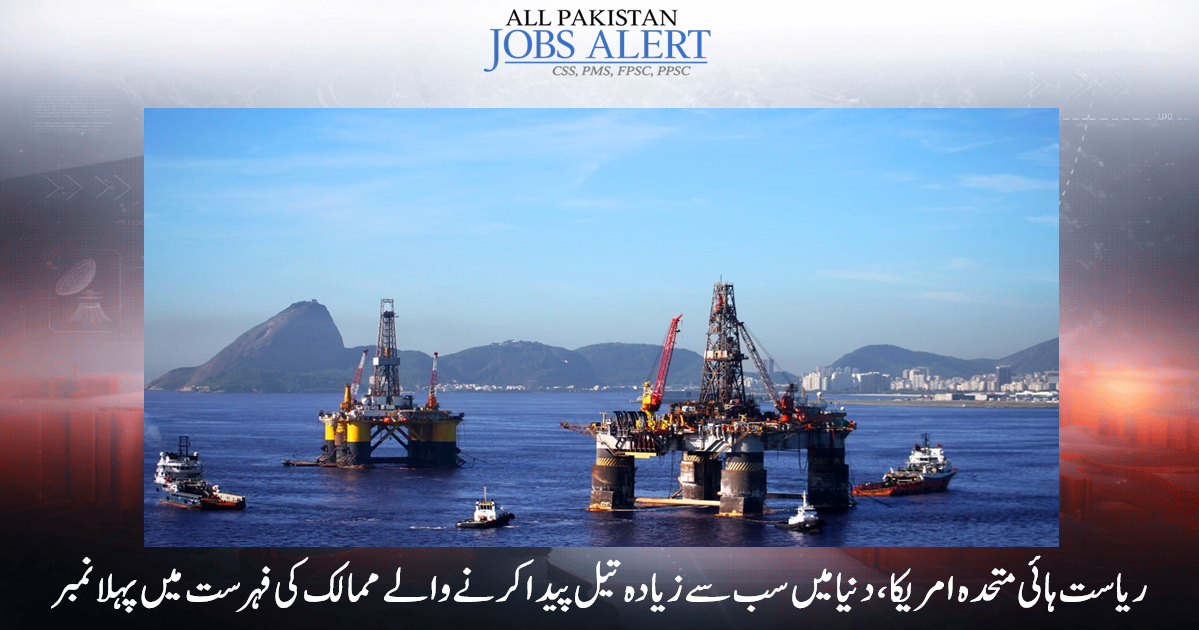
As of 2026, the United States remains the world's largest oil producer.
The U.S. has held the top spot since roughly 2018, primarily due to the "shale revolution" and advancements in hydraulic fracturing (fracking) and horizontal drilling. While countries like Saudi Arabia and Russia have larger conventional reserves, the U.S. currently leads in total daily output of crude oil and other petroleum liquids.
🛢️ Top 5 Oil Producing Countries (2026 Estimates)
🔑 Key Market Dynamics in 2026
U.S. Dominance: The U.S. produces approximately 22% of the world's total oil supply. However, analysts note that the shale boom is maturing, and production growth is expected to plateau by the end of the decade.
OPEC+ Strategy: Saudi Arabia and Russia (leading the OPEC+ alliance) continue to manage their production levels to stabilize global prices. Saudi Arabia maintains the world's largest "spare capacity," meaning they can ramp up production faster than any other nation if needed.
The "Lighter" vs. "Heavier" Debate: Interestingly, much of the U.S. output is "light" oil. Many U.S. refineries are actually designed to process the "heavy" oil found in places like Canada and Venezuela, which is why the U.S. remains a major oil importer even while being the #1 producer.
Emerging Players: Guyana and Brazil are among the fastest-growing producers outside of the traditional "Big Three," with Brazil's deepwater pre-salt fields significantly boosting its global standing.
🏢 Largest Oil Company
While the U.S. is the top country, the world's largest company by production and market value is Saudi Aramco. As a state-owned enterprise, it manages nearly all of Saudi Arabia’s vast reserves and remains the most profitable energy company on Earth.