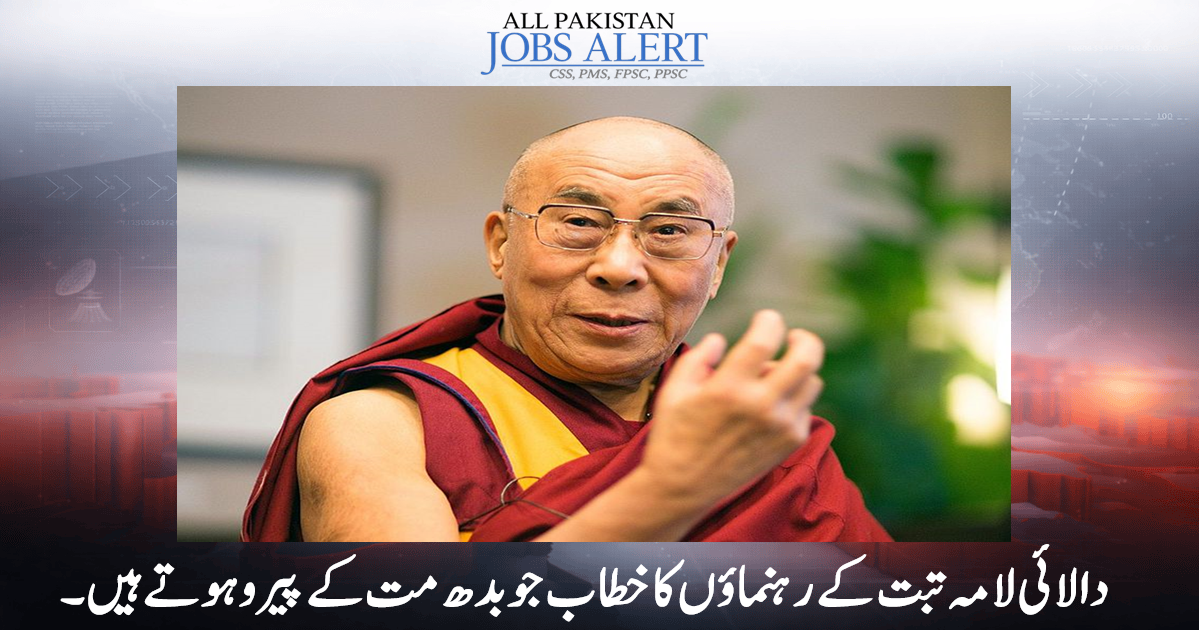
The Dalai Lama is the highest spiritual leader and former temporal (political) head of Tibet. The current and 14th Dalai Lama is Tenzin Gyatso, who has lived in exile in Dharamshala, India, since 1959.
To Tibetan Buddhists, he is considered a Tulku—the reincarnation of Avalokiteśvara, the Bodhisattva of Compassion.
As of early 2026, the Dalai Lama remains an active and influential global figure at 90 years old.
Succession: In mid-2025, he formally confirmed that the institution of the Dalai Lama will continue after his death, ending years of speculation.
Controversy with China: He has explicitly stated that his successor will likely be born in the "free world" (outside of China's control) and that the Gaden Phodrang Trust has the sole authority to recognize his reincarnation. In response, the Chinese government continues to insist it has the historical right to approve any future Dalai Lama.
Longevity: During his 90th birthday celebrations, he expressed optimism about his health, stating he hopes to live past 130 years.
The title "Dalai Lama" (meaning "Ocean of Wisdom") was first bestowed in the 16th century by the Mongol leader Altan Khan.
The 14th Dalai Lama: Born Lhamo Thondup in 1935, he was recognized as the reincarnation at age two.
Exile: In 1959, following a failed uprising against Chinese rule, he fled Tibet and established the Central Tibetan Administration (government-in-exile) in India.
Political Retirement: In 2011, he officially stepped down as the political head of the Tibetan government to focus entirely on his spiritual role.
The Dalai Lama is famous for a "Middle Way" approach—seeking genuine autonomy for Tibet within China rather than full independence. His broader teachings focus on:
Secular Ethics: The idea that compassion, forgiveness, and tolerance are universal human values that don't require religious belief.
Science and Buddhism: He is a lifelong student of science (particularly neuroscience and physics) and famously said, "If scientific analysis were conclusively to demonstrate certain claims in Buddhism to be false, then we must accept the findings of science."
Non-Violence: For his commitment to peaceful resolution, he was awarded the Nobel Peace Prize in 1989.