February 20, 2026 8:08:25 PM
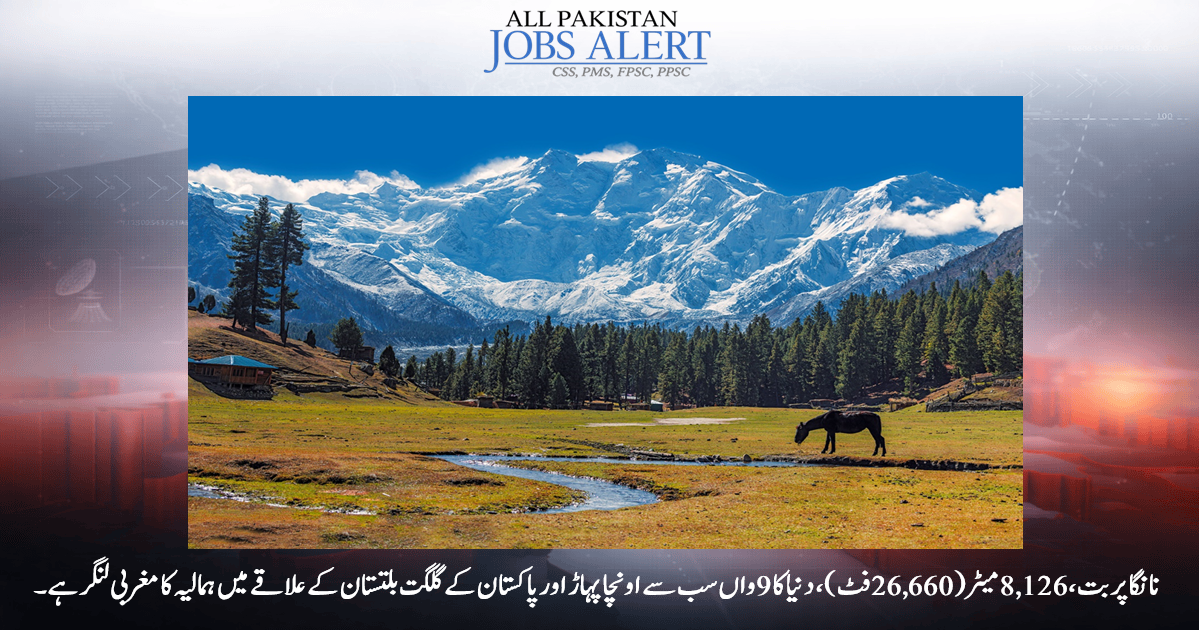
Nanga Parbat, at 8,126 metres (26,660 ft), is the world's 9th-highest mountain and the western anchor of the Himalayas in Pakistan's Gilgit-Baltistan region. Known as the "Killer Mountain" due to its extreme, dangerous terrain and high fatality rate, it features the massive 4,600m Rupal Face. It was first summited in 1953 by Hermann Buhl.
Key Facts and Features
- Location: Located in the Diamer District, Gilgit-Baltistan, it is the westernmost 8,000-metre peak, standing alone from other Karakoram giants.
- Nicknames: Often called "Naked Mountain" (translation of Nanga Parbat in Sanskrit) or Diamer ("Huge Mountain").
- Topography: Features the Rupal Face, considered the world's highest mountain face, rising nearly 4,600m-5,000m from its base.
- Climbing History: First ascended in 1953 by Austrian-German climber Hermann Buhl. The first winter ascent was achieved on February 26, 2016, by Ali Sadpara (Pakistan), Alex Txikon (Spain), and Simone Moro (Italy).
- Danger: Known for its treacherous, icy, and steep faces, making it one of the most challenging and lethal 8,000-meter peaks to climb.
- Tourism: Popularly accessed via the Fairy Meadows, offering a viewpoint of the Raikot Face.